


AAC Block Making Machine Price in India: 2026 Investor’s Guide
 Mar 27, 2026|
 View:2102
The Indian construction sector’s rapid shift towards lightweight, energy-efficient building materials has positioned Autoclaved Aerated Concrete (AAC) blocks as a dominant force. For entrepreneurs and established manufacturers, understanding the capital outlay for an AAC block making machine is the critical first step. The price spectrum is vast, ranging from ₹75 lakhs for a basic mini-plant to over ₹9 crores for a fully automated, large-scale production line.
This guide breaks down the current (2026) machinery costs, key price drivers, and strategic considerations for setting up a profitable AAC block plant in India.
1. Market Price Spectrum: What Does an AAC Plant Cost?
The term “AAC block making machine” typically refers to a complete production line, not a single standalone unit. The final price is a function of daily capacity (m³/day) and the degree of automation. Based on data from leading Indian manufacturers (e.g., Impulse Constrotech, Maruti Hydraulics, Laxmi En-Fab), here is the current investment landscape:
Plant Scale | Typical Capacity | Automation Level | Price Range (INR) | Target Buyer |
|---|---|---|---|---|
Mini/Small-scale | 30 - 100 m³/day | Semi-Automatic / Basic Auto | ₹75 Lakhs - ₹1.5 Crore | Startups, Regional MSMEs |
Medium-scale | 100 - 300 m³/day | Fully Automatic | ₹1.5 Crore - ₹3.5 Crore | Growing Businesses, Tier-2 City Leaders |
Large-scale | 300 - 750+ m³/day | High-End Fully Auto | ₹3.5 Crore - ₹9+ Crore | Large Corporates, Pan-India Suppliers |
Real-World Price Examples from Indian Suppliers:
Entry-Level: A mini AAC bricks making plant with a capacity of ~50 m³/day is priced around ₹87 lakhs (ex. Pune/Ahmedabad).
Standard Workhorse: A fully automatic plant producing 100-150 m³/day typically costs between ₹1.5 crore to ₹3 crore.
Premium Line: High-capacity lines with advanced cutting and PLC control systems can command prices upwards of ₹4.5 crores to ₹9 crores.
2. Key Factors Driving the Machinery Cost
Why is there a 10x difference in price? The bill of materials and technology stack explain the variance.
A. Production Capacity & Core Equipment
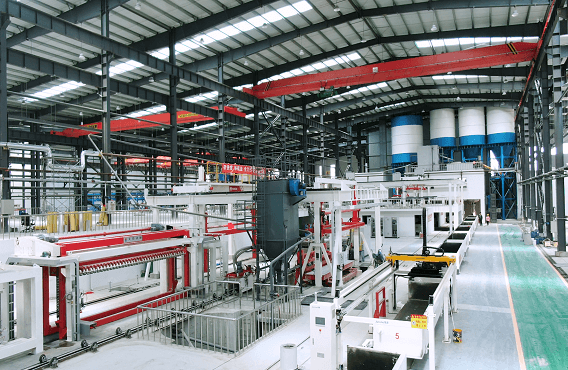
The heart of the cost lies in the core components. Larger capacities require heavier-duty (and more expensive) equipment:
Autoclaves: These high-pressure steam curing vessels are among the most expensive single items. A single autoclave can cost ₹20 lakhs or more, and larger plants require multiple units.
Batching & Mixing System: The sophistication of the raw material (fly ash/cement/lime) dosing system significantly impacts price. Fully automated silo-based systems cost more than manual batching.
Cutting Machine: The technology used to cut the green cake into blocks is a major differentiator. Simple wire cutting is affordable; laser-guided, precision cutting machines that minimize waste add considerable cost but improve product quality.
B. Automation Grade: Semi-Auto vs. Fully Automatic
This is the single biggest factor for mid-range buyers.
Semi-Automatic Plants (₹75 Lakhs - ₹1.25 Cr): Involve significant manual labor for tasks like mold filling, demolding, and transferring. Lower initial cost but higher operational (labor) costs and potential for consistency issues.
Fully Automatic Plants (₹1.5 Cr+): Integrated with PLC (Programmable Logic Controller) and SCADA systems. They automate the entire process from slurry pouring to stacking. They offer higher yield, better quality control, and lower long-term labor costs, justifying the higher upfront investment.
C. Origin of Machinery: Indian vs. Chinese Imports
The Indian market offers a hybrid sourcing model:
Made-in-India Machinery: Companies like Impulse Constrotech and Maruti Hydraulics offer plants priced from ₹1 crore to ₹4 crores. Advantages include easier after-sales service, no import duties, and compliance with Indian standards.
Imported Chinese Lines: Prices can start as low as $600,000 USD (approx. ₹5 crores) for a standard line, but this excludes hefty import duties (around 20-25%), shipping, and commissioning costs. While the base price might seem lower, the total landed cost often narrows the gap. Chinese suppliers like Keda and Dongyue are active in the Indian market through local partners.
3. Beyond the Machine: Total Project Cost Breakdown
A common mistake is to budget only for the machinery. The "project cost" includes several ancillary expenses that can add 50-100% to the machinery price.
Cost Component | Estimated Range (INR) | Notes |
|---|---|---|
Core Machinery | ₹1 Cr - ₹4 Cr | The production line itself |
Land & Civil Work | ₹50 Lakhs - ₹2 Cr+ | Requires 1-3 acres; sheds, curing chambers |
Boiler & Utilities | ₹30 Lakhs - ₹1 Cr | Steam generation is critical for autoclaving |
Installation & Commissioning | ₹20 Lakhs - ₹50 Lakhs | Engineer fees, travel, startup |
Working Capital | ₹50 Lakhs+ | Raw material stock, labor, utilities for 3 months |
Total Estimated Setup | ₹2.5 Cr - ₹8 Cr+ | For a functional 100 m³/day plant |
4. Strategic Buying Advice for the Indian Market
1. Start Small, Then Scale
For first-time entrants, a mini-plant (50-70 m³/day) in the ₹1 crore range is often the wisest choice. It allows you to validate the market, establish a customer base, and generate cash flow without over-leveraging. Many successful plants in Tier-2 cities started with semi-automatic lines and upgraded after 2-3 years.
2. Prioritize After-Sales Service Over Price
AAC machinery involves high-pressure vessels and precise chemical processes. A minor breakdown can halt production for days. Choosing a supplier with a strong service network in your region (e.g., Gujarat, Maharashtra, North India) is more valuable than saving ₹10-15 lakhs on a cheaper, unsupported machine.
3. Factor in Raw Material Logistics
The machine cost is fixed, but your profitability hinges on fly ash and sand availability. If you are located near a thermal power plant (source of fly ash), your operational costs will be low, allowing you to afford a higher-spec machine.
5. Return on Investment (ROI) Outlook
Despite the significant capital investment, AAC plants in India are considered highly profitable. A well-run automatic plant with a capacity of 100,000 m³/year can achieve an ROI within 2-3 years. The growing government push for green buildings and the ban on clay bricks in many states are creating a sustained demand surge.
The price of an AAC block making machine in India is not a single number but a range defined by your ambition and location. For a serious business plan, budget ₹1.5 crore to ₹3 crore for a competitive fully-automatic machine capable of producing high-quality blocks. Always request a detailed quotation that separates the machinery cost from installation and auxiliary equipment to avoid budget overruns. With the right scale and supplier, this investment can become a cornerstone asset in India's booming construction ecosystem.