


 Oct 15, 2025
 View:1121
When planning an AAC block plant in 2025, you need to consider various factors that influence the AAC block plant setup cost. Key elements include conducting thorough market research, effective planning, and ensuring compliance with legal requirements. Additionally, it's essential to assess the plant's needs, hire the right personnel, manage supplies efficiently, and evaluate project costs. Each of these aspects plays a crucial role in determining your overall setup cost. Understanding these factors will enable you to make informed decisions and prevent potential issues.
Key Takeaways
Do careful market research to learn about demand and prices. This helps you make smart choices and avoid surprise costs.
Pick a good place for your plant. Land prices and being close to suppliers can change your total setup costs a lot.
Make your plant design easy to grow bigger later. This lets you make more blocks when people want more. It helps you save money and earn more.
Buy machines that use less energy and work by themselves. This lowers your running costs and helps you make more blocks over time.
Follow local rules and get needed permits early. This stops delays and extra costs when setting up your plant.
AAC Block Plant Setup Cost Overview
If you want to build an AAC block plant in 2025, you need to know what affects the total cost. The aac block plant setup cost changes with market trends, how big your project is, and what work needs to be done. You should learn about these things before you spend money. This helps you avoid problems when building. The cost for an autoclaved aerated concrete plant can go up or down. It depends on the density of aac block, the machines you use, and where your plant is. When you know about these costs, you can plan better and keep your spending under control.
Market Trends 2025
In 2025, the aac blocks market will get bigger. The market will grow from $21.21 billion in 2024 to $22.54 billion in 2025. This means more people will want aac blocks. The market will grow by 6.2% because of new building projects and better materials. You also need to think about trade tariffs. These tariffs can make imported machines and materials cost more. This can make your plant setup cost higher.
The aac blocks market will get bigger fast.
New building projects will make more people want aac blocks.
Trade tariffs can make your setup cost go up.
Project Scope
When you plan your aac block plant, you must look at every part. The scope includes land, machines, and raw materials. You also need to think about rules and money. The table below lists the main things you should include in your project scope:
| Key Element | Description |
|---|---|
| Project Economics | Look at how much money you need, what you will spend, how much you can earn, and if you will make a profit. |
| Regulatory Procedures | Check what approvals and certificates you need. |
| Site Development | Pick the right land, check the location, and think about the environment. |
| Machinery Requirements | Find out what machines you need, how much they cost, and who sells them. |
| Raw Material Needs | Learn what raw materials you need, how much they cost, and how to get them. |
| Financial Analysis | See if you have enough money, if you will make a profit, how long it takes to get your money back, and what your net present value is. |
| Packaging Requirements | Find out what packaging you need, how much it costs, and who sells it. |
| Other Requirements and Costs | Think about transport, utilities, energy, water, workers, and their costs. |
| Market Trends and Analysis | Look at how the market is split, price changes, and who your competitors are. |
Use this information to help you plan and keep your costs low. Good planning helps you avoid mistakes and makes sure your plant works well.
Site Selection and Location

Choosing the right site for your AAC block plant can change your total setup cost. You need to think about land price, how the location affects your expenses, and what local rules you must follow. Each factor can help you save money or make you spend more.
Land Cost
Land price is one of the first things you must check. If you pick land in a city, you pay more. Rural areas often cost less, but you may need to spend more on roads and utilities. You should compare prices in different places before you decide.
Tip: Look for land near raw material sources. This can lower your transport costs and help you get supplies faster.
You can also ask local officials about land deals or government support. Sometimes, you get discounts or tax breaks if you build in special zones.
Location Impact
Your plant’s location changes many costs. If you set up near suppliers, you spend less on moving raw materials. If you build close to customers, you save on delivery. Good roads and easy access help you move products faster.
Here is a table that shows how site selection affects your costs:
| Factor | Impact on Cost |
|---|---|
| Transportation Costs | Local sourcing reduces transportation expenses and import tariffs. |
| Compliance with Regulations | Local production ensures adherence to regional regulations, minimizing legal risks and potential fines. |
| Operational Efficiency | Efficient machinery lowers ongoing operational costs, contributing to overall cost savings. |
Note: You should check if your site has enough water and power. These utilities are important for plant operations.
Local Regulations
Every area has its own rules. You must get permits before you start building. Some places have strict rules about pollution or waste. If you follow these rules, you avoid fines and delays.
You should talk to local authorities early. Ask about building codes, safety rules, and environmental laws. This helps you plan better and keeps your project on track.
Tip: Make a checklist of all permits and approvals you need. This can save you time and money during setup.
Plant Size and Capacity
When you plan your AAC block manufacturing plant, you must think about how big your plant will be and how much it can produce. The size and capacity of your plant have a direct effect on your aac block plant setup cost. If you choose a larger plant, you need more money for machines, land, and workers. A smaller plant needs less investment but may not meet high demand.
Capacity Planning
You should decide how many AAC blocks you want to make each day. The production capacity shapes your budget and your business model. If you run a self-operated plant, you can start with a 10 cubic meter capacity and expand up to 100 cubic meters. Labor-based plants work best when you start above 30 cubic meters and can grow up to 200 cubic meters. A 30 cubic meter plant usually needs machinery that costs about 1 crore, and you should plan for a total budget of 1.5 crores before you begin production.
Self-operated plants: Start small and expand as demand grows.
Labor-based plants: Begin with higher capacity for larger projects.
Higher capacity means more machines and higher initial cost.
Infrastructure Cost
The cost of construction for your manufacturing plant depends on its size and the type of building you need. You must build strong foundations, install heavy machinery, and set up storage for raw materials. The density of aac block also affects your design because heavier blocks need stronger support. If you want to save money, you can choose modular buildings that let you expand later. Good planning helps you avoid spending too much on infrastructure.
| Plant Size (Cubic Meters) | Machinery Cost (INR) | Total Setup Cost (INR) |
|---|---|---|
| 10 | 40 lakh | 60 lakh |
| 30 | 1 crore | 1.5 crore |
| 100 | 2.5 crore | 3.5 crore |
Tip: Build your plant near suppliers to lower transport costs and make your operations smoother.
Scalability
Scalability means you can grow your plant when demand increases. If you plan for scalability, you save money in the long run. AAC blocks help you finish building construction faster and use less labor. Their large size means you need less mortar and adhesive, which lowers your cost of construction. When you expand your autoclaved aerated concrete plant, you improve efficiency and reduce maintenance costs over time. You should always think about future growth when you design your manufacturing plant.
AAC blocks speed up construction and cut labor costs.
Larger plants can handle more orders and grow with the market.
Planning for scalability helps you control costs and boost profits.
Machinery and Technology
Equipment Cost
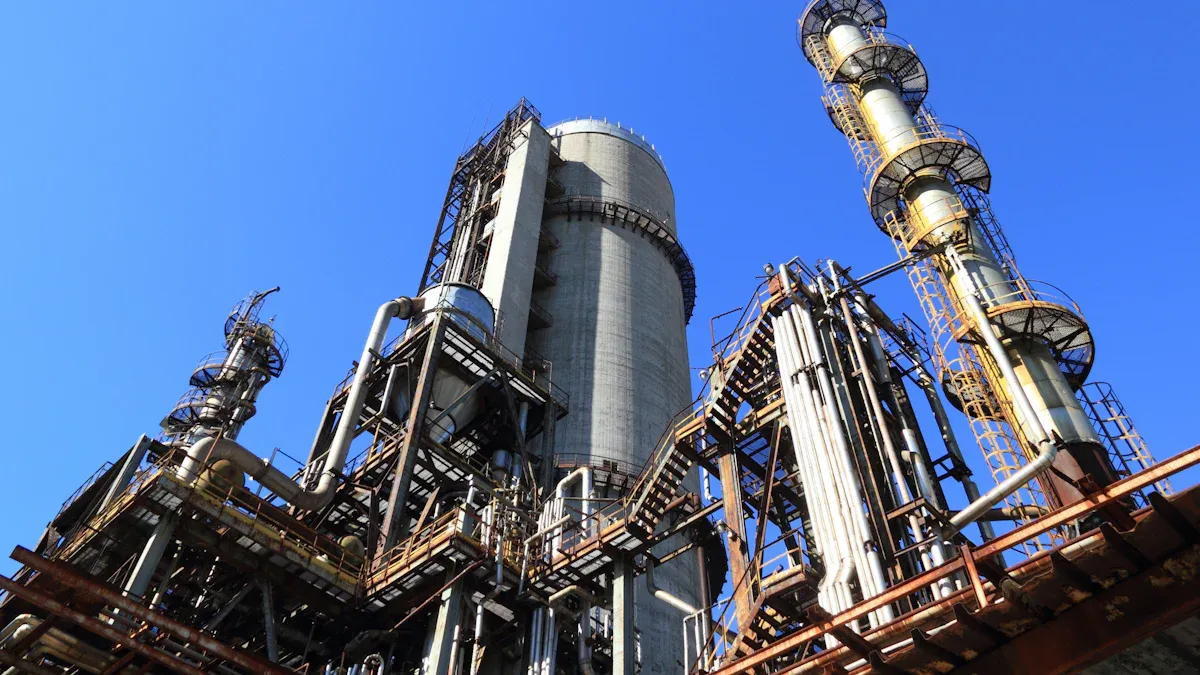
You must think about how much the machines will cost. Buying equipment is a big part of your first spending. For a small plant, machines can cost about Rs. 19 lakh. You also need to pay for setting up and installing the machines. These extra costs can add up fast and change your budget. Good machines break down less and save you money on fixing them later. Always check if the price covers things like warranties or help from the seller.
Tip: Look at offers from many sellers and ask for full price details. This helps you spot hidden fees and get the best deal for your plant.
Technology Choice
The technology you pick changes your starting and running costs. New AAC block plants use smart systems to save on materials and power. The total cost is not just for machines, but also for daily things like workers and energy. If you choose the right technology, you can make better blocks with less waste. Many plants now use AI and live checks to keep quality high and lower mistakes. These tools help you meet world standards and keep your plant working well.
| Technology Feature | Benefit |
|---|---|
| AI Monitoring | Fewer defects, better quality |
| Automated Transport | Faster movement, less manual work |
| Energy-Efficient Machines | Lower power bills, greener operation |
Automation Level
How much you automate your plant changes labor costs and how steady your work is. Manual plants cost less at first, but you need more people. Fully automatic plants cost more to start, but you save on workers and work faster. Automation also helps you use less material and keep block density the same. Real-time checks and smart repairs can stop problems before they get big, so your plant does not stop for long. Many companies now try to use less energy and follow green rules.
AI and automation make work more exact and faster.
Automated lines waste less and make stronger blocks.
Real-time checks find problems early and keep your plant working.
Note: Spending money on automation can help your plant stay ahead and fit future market needs.
Raw Materials and Supply
Material Cost
You need to know what raw materials are used to make aac blocks. The main ones are fly ash, sand, cement, lime, and aluminum powder. Each material changes your total cost. If prices rise, your budget will change. Always check the latest prices before starting your plant. Here is a table that lists the usual raw materials for aac production in 2025:
| Raw Material | Average Cost in 2025 |
|---|---|
| Fly Ash | [cost not specified] |
| Sand | [cost not specified] |
| Cement | [cost not specified] |
| Lime | [cost not specified] |
| Aluminum Powder | [cost not specified] |
Plan for these costs early. Buying in large amounts can help you save money.
Sourcing
How you get your raw materials can change your plant’s setup cost. You should find more than one supplier. This helps if one supplier cannot deliver. Good relationships with suppliers can give you better prices and payment plans. Using smart inventory tools helps you act fast if there are problems. Lean manufacturing can help you use less material. Energy-saving machines lower your power bills. Automation can help your plant work better and use fewer expensive materials.
Use many suppliers to lower supply risks.
Build good relationships for better deals.
Use data tools for quick supply chain choices.
Lean manufacturing helps you use less material.
Buy energy-saving machines.
Automation makes your plant more efficient.
Tip: Check your sourcing plan often to keep your aac block production steady and your costs low.
Logistics
Getting raw materials to your plant costs extra money. You pay for moving, storing, and keeping track of supplies. You also pay for packing and shipping. If you plan logistics well, your aac plant will not have delays. Here is a table that shows common logistics costs:
| Type of Expense | Description |
|---|---|
| Transportation costs | Freight, shipping, and delivery charges. |
| Warehousing costs | Storage fees, inventory management, and labor. |
| Inventory carrying costs | Insurance and risks from holding goods too long. |
| Fulfillment costs | Picking, packing, and shipping services. |
Pick suppliers close to your plant to save on transport. Good logistics planning helps you deliver aac blocks on time and keeps your business strong.
Utilities and Fuel
Power and Water
AAC block plants need power and water all the time. Power makes machines, mixers, and autoclaves work. Water mixes raw materials and cures blocks. How much you use depends on plant size and automation. Small plants use less power but need more workers. Big plants use more power but save on labor. The table below shows how plant size changes power use and costs:
| Plant Scale | Production Capacity | Automation Level | Power Consumption | Operational Cost Impact |
|---|---|---|---|---|
| Small Scale | ~50 m³/day | Manual | 60–100 kW | Higher labor costs, lower power use |
| Medium Scale | 50–300 m³/day | Semi-Automatic | 150–200 kW | Balanced costs, better efficiency |
| Large Scale | >300 m³/day | Automatic | 300–500 kW | Lower labor costs, higher efficiency |
Tip: Pick the right plant size and automation level. This helps you keep costs low.
Fuel Cost
Fuel runs boilers and autoclaves in your plant. You might use coal, natural gas, or electricity. Fuel prices change a lot. If you use more fuel, your costs go up. Modern machines often need less fuel. Check local fuel prices before you start your plant. Choose fuel that is easy to get and not too expensive.
Natural gas burns cleaner and lowers emissions.
Electricity is easy to control but may cost more.
Coal is cheap but can cause more pollution.
Note: Plan for fuel price changes. This helps you avoid budget problems.
Efficiency
You can save money by making your plant work better. Automation and smart manufacturing help you use less energy and need fewer workers. Advanced curing and autoclaving make blocks faster and save power. Recycling waste cuts raw material costs and helps the environment. Many plants now make green AAC blocks to lower pollution. Smart building practices also help you save energy and meet new rules.
Automation and smart manufacturing make plants work better.
Advanced curing saves energy.
Recycling waste helps the environment.
Green AAC blocks lower pollution.
Smart building practices save energy.
If you make your plant more efficient, you pay less for utilities and stay ahead of other plants.
Labor and Workforce
Labor Cost
You need to plan for labor costs when setting up your AAC block plant. Labor cost means the money you pay workers for their time and skills. This cost changes based on where your plant is, how many workers you need, and the type of work they do. If you build your plant in a city, you may pay higher wages. Rural areas often have lower wages, but you may need to train workers more.
You can break down labor costs into different parts:
| Labor Type | Typical Role | Cost Impact |
|---|---|---|
| Skilled Workers | Machine operators, engineers | Higher wages |
| Unskilled Workers | Helpers, loaders | Lower wages |
| Supervisors | Team leaders, managers | Medium to high |
Tip: Hire local workers when possible. This can lower costs and help your plant fit into the community.
You also need to think about extra costs. These include overtime pay, health benefits, and safety gear. If you use more machines and automation, you may need fewer workers. This can help you save money over time.
Training
Training helps your workers learn how to use machines and follow safety rules. Good training makes your plant safer and more efficient. You should plan for training costs in your budget.
You can use different ways to train your team:
On-the-job training: Workers learn while doing real tasks.
Classroom sessions: Trainers teach safety and machine use.
Online courses: Workers learn at their own pace.
Note: Well-trained workers make fewer mistakes and keep machines running smoothly.
You should update training often. New machines and rules may need new lessons. When you invest in training, you help your plant run better and avoid costly accidents. Training also helps workers feel valued and stay with your company longer.
Compliance and Permits
Regulatory Cost
You have to follow many rules when starting an AAC block plant. These rules keep your business safe and legal. You need to pay for permits and follow regulations. The cost depends on where your plant is and how big it will be.
Some common costs you should plan for are:
Register your business with the local government.
Get permits for the environment and pollution control.
Apply for factory licenses before making blocks.
Make sure your products meet IS 2185 (Part 3) standards.
Start getting permits early so you do not get delayed. Waiting too long can slow your project and cost more money. Local offices might ask for different papers or fees. Always check with them before you build. If you skip a step, you could get fined or have to stop work.
Tip: Make a checklist of all permits and certificates you need. This helps you stay on track and not forget anything important.
Environmental Standards
Environmental standards are very important for your AAC block plant. These rules protect nature and help your plant work better. Following these rules can also help you save money later.
| Factor | Impact on Costs |
|---|---|
| Lower energy consumption | Saves money because you use less energy than old ways. |
| Reduced transportation emissions | Cuts costs for moving materials and helps the environment. |
| Use of recycled materials | Lowers raw material costs and is better for the planet. |
| Improved insulation | Makes buildings cheaper to heat and cool, saving money. |
| Minimal upkeep | Means you spend less on repairs over time. |
You can spend less by using less energy and fewer materials. Automation and good machines help you earn your money back faster. More cities want green buildings, so more people want AAC blocks. If you follow environmental rules, more customers and investors will like your plant.
Following environmental rules helps nature and makes your business stronger and saves you money.
Business Strategy and Market Research
Market Analysis
You should first study the market before building your plant. Check how many people want aac blocks in your area. See who your competitors are and what block density builders like. A good project report helps you learn about your business money. Use financial analysis to compare your costs and earnings. This step shows if your investment will give you the roi you want. Knowing the market helps you plan how much to make and what price to set for your aac blocks.
Project Planning
Careful planning helps you spend less and avoid mistakes. Focus on project economics and use your working capital carefully. The table below lists smart ways to save money and work better:
| Best Practice | Description |
|---|---|
| Invest in Multi-Functional Machinery | Buy machines that can do many jobs to save space and money. |
| Partner with Local Suppliers | Get materials from nearby to cut shipping costs and get them faster. |
| Pick Budget-Friendly Raw Materials | Choose local and bulk materials to save more money. |
| Plan an Efficient Facility Setup | Put your plant in a place that lowers delivery and storage costs. |
| Use Existing Buildings | Use old buildings again to lower setup costs. |
| Choose Pre-Made Structures | Use pre-made materials to save time and labor. |
| Work with Delivery Experts | Use third-party logistics to handle shipping and storage better. |
| Ship in Large Quantities | Shipping in bulk saves fuel and time. |
| Use Working Capital Smartly | Manage your money well to avoid waste and keep things running smoothly. |
| Explore Government Incentives | Look for grants and tax breaks to help lower your setup costs. |
Cost Control
You can keep costs down by watching your spending and finding ways to save. Check your financial plan often to keep your plant making money. Use cost analysis tools to see where you spend and how to save more. Keep your plant flexible so you can change production if the market changes. When you control costs, you protect your earnings and improve your roi. Good planning and smart choices help your aac plant do well in the building construction industry.
Cost Table
It is important to know what things affect your AAC block plant setup cost. A cost summary table shows you where you will spend money and what you should expect. This table helps you with your financial analysis and project economics. Each row in the table talks about a main part of your plant setup, like land, machines, and other needs.
| Category | Components | Estimated Cost Range (USD) | Details/Considerations |
|---|---|---|---|
| Land Acquisition & Site Development | Land Purchase/Lease (3-5 acres) | 100,000–500,000 | Urban land costs more than rural land. |
| Civil Construction | Main Production Shed | 300,000–600,000 | Size depends on automation and storage needs. |
| Plant & Machinery | AAC Production Line Equipment | 1,200,000–2,000,000 | Source and quality affect price and performance. |
| Utilities & Infrastructure | Electrical Substation & Internal Wiring | 80,000–200,000 | High power needs for production. |
| Installation, Commissioning & Training | Machinery Installation & Erection | 70,000–150,000 | Skilled contractors often needed. |
| Licenses, Permits & Approvals | Land Conversion/Industrial License | 10,000–50,000 | Local rules and paperwork can change costs. |
| Project Management & Contingency | Detailed Project Report, Engineering | 50,000–100,000 | Includes feasibility, layout, and structural analysis. |
| TOTAL ESTIMATED CAPITAL EXPENDITURE | 3,060,000–6,445,000 | For a medium-scale plant, plan for $3M–$6.5M investment. |
Use this table to help plan your costs and revenue. It lets you compare operating costs and see how each thing changes your plant.
Setup Checklist
A checklist helps you stay organized and keep costs low. You can use this list to make sure you finish every step, from buying land to running your plant each day. It helps you control spending and not forget important jobs.
| Essential Item | Description |
|---|---|
| Land Acquisition | Pick enough space for raw materials, making blocks, and storage. |
| Factory Construction | Build the plant, warehouses, boiler room, and office. |
| Machinery and Equipment | Choose machines based on how much you want to make and how automatic you want to be. |
| Installation and Commissioning | Set up equipment and train your workers. |
| Contingency Fund | Save 10–15% of your budget for surprise costs. |
| Raw Materials | Plan for regular spending and price changes in the market. |
| Labor | Hire skilled workers and plan for training. |
| Energy | Get ready for high energy use in making blocks and autoclaves. |
| Maintenance | Plan regular checks and repairs to keep your plant working well. |
| Utilities and Overheads | Add water, taxes, insurance, and admin costs to your budget. |
Check this list as you work on your project. It helps you manage setup, track costs, and make your plant more cost effective. Good planning helps your project economics and can boost your revenue.
There are many things to think about when starting an AAC block plant in 2025. Where you build, how big your plant is, what machines you buy, and the raw materials you use all change how much money you will spend. Good planning helps you avoid problems and keeps your project moving forward. You can control your setup costs and do well if you follow these ideas:
Make sure you check quality at every step.
Ask experts to help you see if your plan will work.
Try new ideas and follow rules for the environment.
Work with others in the building business.
AAC blocks are popular and you can make more as you grow. Use the checklist to help you finish your project and get better results.
FAQ
What is the biggest cost when setting up an AAC block plant?
The largest cost usually comes from buying machinery and equipment. You also spend a lot on land and building the factory. These three areas take up most of your budget.
How can you lower your AAC block plant setup costs?
You can save money by choosing land in less expensive areas, buying energy-efficient machines, and using local suppliers. Planning your project well helps you avoid extra costs.
Do you need special permits to build an AAC block plant?
Yes, you need permits for land use, factory operation, and environmental safety. Always check with local authorities before you start building your plant.
How long does it take to set up an AAC block plant?
Most plants take 6 to 12 months to set up. The time depends on plant size, location, and how fast you get permits and equipment.
Can you expand your AAC block plant later?
Yes, you can plan for future growth. If you design your plant with extra space and use modular equipment, you can add more machines and increase production when needed.